

What Has Our Monetary System Got To do With The Environment?
I have recently read a great book – “The Poverty of Power – energy and the economic crisis”. The author of the book, Barry Commoner, did an excellent job to demonstrate that “.. the modern technological industries tend not so much to serve social needs as to invent them. The criterion for production has not been the reduction in the cost of energy, capital, and environment degradation, but more profit”. It is unfortunate that in the modern economy, almost all produced energy is derived from fossil fuels such as oil, natural gas, and coal. As we all know these are the non-renewable sources of energy and their constant exploitation has a devastating effect on our environment and lives. Yet, the usage of the renewable sources such as wind or sun is crippling somewhere behind almost unnoticed.
The experts foresee that by 2040 our economy will still largely depend on fossil fuels.

I think the above data is rather shocking and comes to me as a huge surprise, knowing that the first electric engine was built somewhere in the middle of the 19th century! What was the status of our technology, industry, and knowledge at that time? What capabilities did we have then and what do we have now, or even ten, twenty years ago. The electric-powered railroads once a dominant form of transportation in the USA, has all disappeared and was replaced by petrol-fuelled buses.
When you look at things from this perspective the whole “progress” in the production and usage of renewable energy seems pitiful. Yet, we feel proud reporting that the consumption of non-fossil fuels is rising. But shouldn’t our economy already run quasi-total on a renewable energy? If we made a good amount of progress in the past with more basic technology and less knowledge why are we still, in the 21st century, debating about the renewable/non-renewable energy ratio? What was/or is that “invisible hand” which is holding us back? Is it a lack of capacity, knowledge, or maybe money?
Fossil Fuel-based Modern Industry
To better understand this situation, we first need to do a quick scan of our modern industry.
For example, the cosmetic industry largely relies on detergents, a petroleum derivative raw material. The food industry relies on the huge amount of pesticides and fertilizers made from petroleum. The automobile industry – probably the most obvious example –no need for comment, just look at the data below.
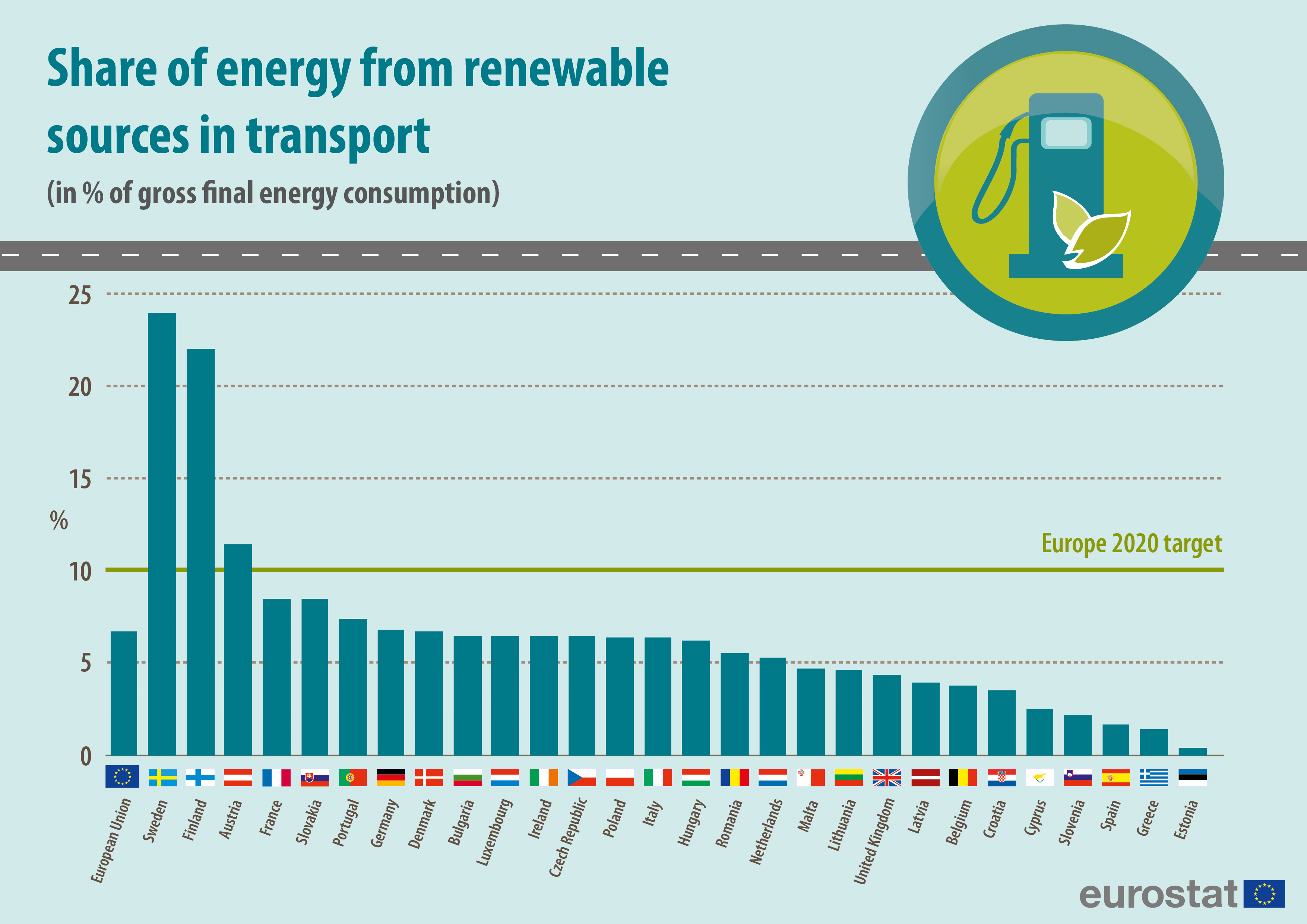
The textile industry is providing us with many sorts of synthetic materials deriving from petroleum. Most of the items we use in everyday life are derived from petroleum. Even our children are playing on Astroturf, a synthetic grass made from petroleum. It is clear that all these huge industries are still very much dependent on fossil fuels. And they will be as long as they are provided with an adequate finance to carry out their activities. But who supports them with these adequate funds?
I think you can guess the answer – our current monetary system. The study has revealed that the European Central Bank adopted a policy which is further executed by national Central Banks, which provides an access to a cheap finance for big corporate organizations operating in oil, gas and car industries. As anybody can imagine this will not help our economy to switch to clean, renewable energy as long as our financial institution’ priorities lie somewhere else.
In the light of this study, the Corporate Europe Observatory’s financial policy researcher Kenneth Haar said:
“When you look at the list of companies from which the ECB has bought bonds, you can certainly see a plausible motive for not revealing too much. Apparently, the bank is quite content to support car producers, a gambling corporation, arms producers, and especially fossil fuel corporations that are driving climate change. Whichever way you look at it, this investment pattern cannot be justified.” He then added,
“It would have made so much sense to use these billions of euros to create employment in environmentally sustainable sectors instead, but the status quo in European politics is still to put corporate profits before public interest.”
While we all think that our policymakers and people in charge are acting in the best interest of the society and environment, the crude reality is hidden behind the curtains obscured by the trends and statistics we are bombarded with every single day.
If today we all put an effort into understanding money, the way it is created and channelled into the economy and if we take time to explain our children how things really works we will all be better off tomorrow.
If you would like to help your children to understand money, the way it is created and how it is channelled into the economy, then why not consider the Money Mystery Book Series? The Money Mystery series goes beyond the typical what is money and how to save type books! The series has been developed to raise an awareness of the link between money and social and environmental problems, and foster the creation of the new, independently and critically thinking generation that will drive positive changes in our society.
